
July 30, 2026
Corporate Event Photo Privacy: A Guide for Calgary Businesses
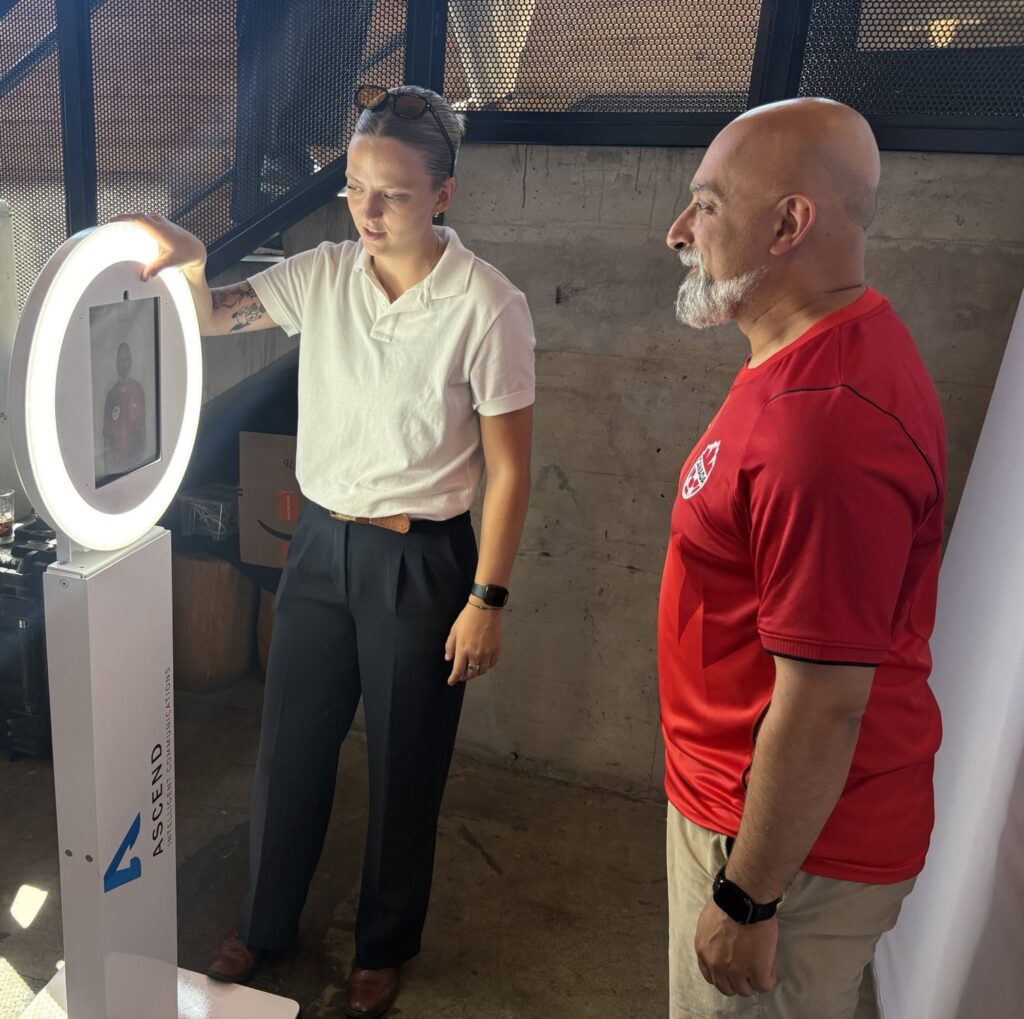
Corporate event photo privacy means protecting attendees’ personal information when taking, storing, sharing, and using event photos. Companies hosting conferences, trade shows, employee events, and brand activations in Calgary should inform guests about photography, collect permission when needed, and create clear rules for photo use.
Corporate events often include professional photographers, branded photo booths, social media teams, and content creators capturing moments throughout the day. Events at venues like the Calgary Telus Convention Centre, BMO Centre, and Hyatt Regency Calgary bring together employees, clients, partners, and guests who may have different expectations around privacy.
A clear photo privacy process helps companies avoid complaints, protects attendees, and creates a better experience for everyone involved.
Understanding Corporate Event Photo Privacy for Calgary Events
Corporate event photo privacy covers how companies collect, use, store, and share images of identifiable people during business events. Calgary organizations need to consider privacy before taking photos, not after images are already posted online.
A photo of a crowd at a conference has different privacy concerns than a close-up portrait used in a company advertisement. The intended use of the image often determines how much permission and communication are needed.
Companies hosting events in Calgary should think about:
- Who is taking photos during the event
- Why the photos are being collected
- Where images may appear
- How long photos will be stored
- How attendees can request removal
Canadian privacy rules vary depending on the province, organization, and purpose of photo use. Businesses should review applicable privacy obligations, including guidance from the Office of the Privacy Commissioner of Canada and Alberta privacy legislation when creating event photo policies.
A strong privacy approach does not prevent companies from creating event content. It helps teams capture professional images while respecting attendee choices.
What Should Companies Do Before a Corporate Event?
Photo privacy should be planned before guests arrive. Waiting until the event starts can create confusion because attendees may not know who is taking photos or where images will be published.
A good pre-event process includes clear communication through invitations, registration pages, event websites, or venue signage.
Companies should explain:
- Photography and video will take place during the event
- Photos may be used for internal communication, social media, websites, or marketing
- Guests can ask questions or request restrictions
- Certain photos, such as portraits or promotional images, may need additional permission
For Calgary corporate events, this step is useful for conferences, employee celebrations, and networking events where guests may include customers or external partners who are unfamiliar with the company.
A registration form can include a short photo notice, while a separate consent form can be used for images intended for advertising campaigns or long-term marketing materials.
Do You Need Permission to Take Photos at a Corporate Event?
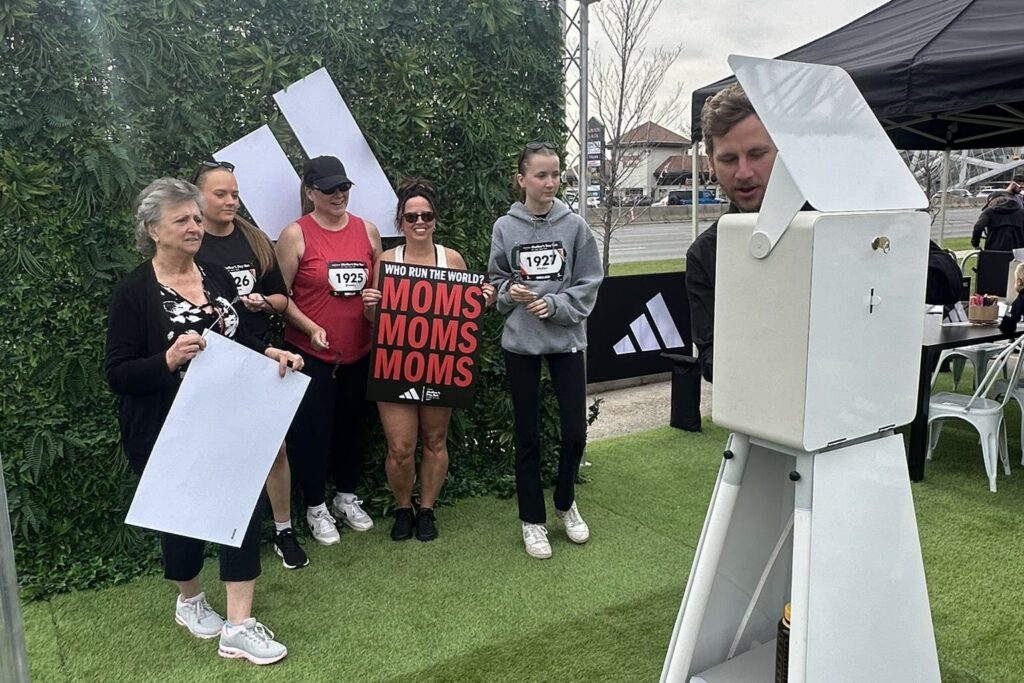
The answer depends on the type of photo and how it will be used. A general event photo showing the atmosphere of a conference room may have different privacy considerations than a close-up image of a guest used in a LinkedIn campaign.
A practical way to think about photo risk:
- Wide crowd photos usually have lower privacy concerns when attendees have been informed
- Small group photos need more awareness because people are easier to identify
- Individual portraits need clear permission when they are being used publicly
- Marketing campaigns need stronger consent because the image represents the person and the company
A person attending a corporate event does not automatically agree to every possible use of their image. Internal event documentation, social media posts, and paid advertising each involve different levels of exposure.
How Should Photo Consent Work at Corporate Events?
Consent should be clear, specific, and easy for guests to understand. A long legal document hidden inside registration materials can create confusion.
A useful consent process explains:
- Who is collecting the images
- What the images will be used for
- Where the photos may appear
- How long the company plans to keep them
- How someone can request removal
Companies using photo booths at Calgary events should also consider how guests receive images. Digital sharing stations, SMS delivery, email galleries, and branded photo galleries collect information that should be handled carefully.
If a company uses a photo booth activation at a trade show or conference, guests should know whether their images are only being delivered to them or whether they may also appear in promotional content.
Handling Employee Photos and Internal Events
Employee events need extra attention because workers may feel pressure to participate.
A company holiday party, team celebration, or employee recognition event should give staff a genuine choice about being photographed. Employees should not feel that refusing a photo could affect their relationship with their employer.
Good practices include:
- Let employees opt out without explanation
- Avoid making photo participation part of workplace expectations
- Ask separately for marketing permission
- Avoid posting employee images without checking the intended use
A team photo shared inside an internal company newsletter is different from using the same photo in recruitment advertising.
Privacy Considerations for Photo Booths at Corporate Events
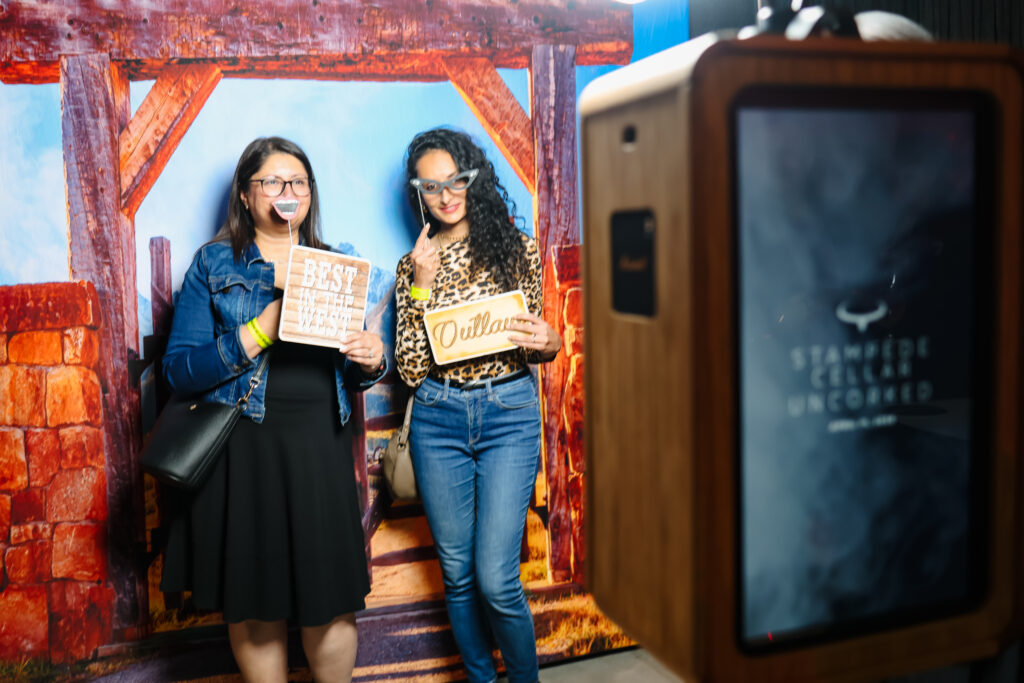
Photo booths are common at Calgary conferences, company parties, and brand activations because they encourage participation and create shareable content. They also collect personal information, so companies should plan privacy settings before the event.
A corporate photo booth provider should explain:
- Whether photos are stored after the event
- How long galleries remain available
- Whether guests provide email addresses or phone numbers
- Whether images are used for promotional purposes
Useful privacy features include:
- Optional consent screens before photo capture
- Clear signage near the booth
- Private delivery options
- Limited photo storage periods
- Staff trained to answer privacy questions
Events at venues such as the BMO Centre during major Calgary conferences often involve large attendance numbers. A clear process helps staff manage photography requests while keeping the experience organized.

What Should Photographers and Event Staff Know?
Photography teams should receive privacy instructions before the event begins. Staff should understand what types of photos are approved and how to respond when someone does not want to be photographed.
Event teams should:
- Watch for no-photo requests
- Respect verbal requests from attendees
- Avoid photographing private conversations
- Avoid capturing sensitive documents or screens
- Follow company instructions for approved content
A photographer working at a corporate event represents the company hosting the event. Good judgment during the event protects both attendees and the brand.
What Happens After Corporate Event Photos Are Taken?
Privacy responsibilities continue after the event ends. Companies should review images before publishing them and avoid keeping large photo libraries without a clear reason.
Before sharing photos, teams should check:
- Is everyone comfortable with this use?
- Was permission collected if needed?
- Does the image show private information?
- Is the caption appropriate?
- Is the photo being reused in a different context?
A guest who agreed to appear in an internal presentation may not expect their image to appear in a public advertising campaign months later.
Companies should also have a process for handling removal requests. If someone asks for an image to be removed, responding quickly helps maintain trust.
Common Corporate Event Photo Privacy Mistakes
Many privacy issues happen because companies do not plan ahead. Common mistakes include:
- Assuming event attendance means permission for all photo uses
- Using employee photos in marketing without separate approval
- Posting close-up images without checking
- Keeping photos indefinitely without a clear purpose
- Forgetting to explain photography during registration
- Sharing images with third parties without informing attendees
A short privacy policy can prevent many of these problems.
What Should a Corporate Event Photo Privacy Policy Include?
A corporate event photo policy should give employees, guests, photographers, and vendors clear instructions.
A useful policy covers:
- Who can take photos
- How photos will be used
- Which images need consent
- How guests can opt out
- How long images are stored
- Who manages privacy requests
For Calgary businesses hosting recurring events, having a standard policy saves time and creates consistency across conferences, employee gatherings, and marketing activations.
Frequently Asked Questions
Can a company take photos at a corporate event without asking everyone?
Companies may take general event photos after informing guests, but identifiable images and promotional use often need additional permission. Clear notices, optional participation, and specific consent help businesses respect privacy while using event photos for marketing, social media, or company communications.
Do employees need to give permission before appearing in event photos?
Employees should have a genuine choice about appearing in event photos. Workplace dynamics can influence decisions, so companies should not assume participation equals permission. Separate approval should be collected when images may be used externally for marketing, social media, recruitment, or promotional campaigns.
Can companies post corporate event photos on social media?
Companies should explain social media use before sharing event photos online. Images posted on LinkedIn, Instagram, or company websites increase public visibility, so attendees should know how their photos may appear. Clear communication and permission help businesses avoid privacy concerns when publishing event content.
How long should companies keep event photos?
Companies should store event photos only while they serve a clear business purpose. A privacy policy should define retention periods, storage practices, and review procedures. Removing outdated images helps reduce privacy risks and keeps company photo libraries organized, relevant, and easier to manage.
Do photo booths need privacy notices at corporate events?
Yes. Photo booths collect images and may gather contact details for sending digital files. Clear signage, consent choices, and transparent storage policies help guests understand how their information is collected, used, and protected during corporate events while giving them control over their photo privacy preferences.
Can a guest request removal of their event photo?
Yes. Companies should offer a clear process for attendees who want photos removed. A dedicated contact person or email address helps manage requests quickly, keeps records organized, and shows that the company respects privacy choices after corporate events and photo sharing activities.
Are conference photos different from employee event photos?
Yes. Conferences usually involve clients, partners, speakers, and public content, while employee events include workplace privacy concerns. Companies should create separate photo guidelines for each event type, considering attendees, image usage, consent expectations, and the level of public exposure involved after photos are shared.
Create a Privacy-Focused Corporate Photo Experience Guests Trust
Corporate event photo privacy helps Calgary businesses create engaging event content while respecting attendee choices. Clear communication, consent options, and responsible image handling allow companies to capture professional photos without creating privacy concerns for anyone.
Cosmo Photo Booths can help businesses create photo experiences with clear guest notices, consent-based sharing options, and privacy-focused setups for conferences, networking events, brand activations, and corporate celebrations. We’ll help you choose the right setup, sharing options, and features to match your event goals and expectations.
Contact us for a corporate photo booth experience that combines creative content and clear privacy practices.